
What items are banned from a roll-off dumpster?
Hazardous materials top the list: paint cans with liquid still inside, solvents, pesticides, herbicides, and anything with a flammable or corrosive label. Motor oil, antifreeze, and other automotive fluids are also out, along with car batteries and tires. Refrigerators, air conditioners, and freezers usually contain refrigerant that needs to be removed by a licensed technician before disposal, so check with us before loading one. Propane tanks and other pressurized cylinders are a fire hazard in a closed container and get rejected on sight. Asbestos-containing material, like old siding or floor tile from a home renovation porta potty job site, needs a specialty hauler, not a standard roll-off dumpster rental. Electronics, especially TVs and monitors with older tube displays, often fall under separate handling rules too. If your project involves any of these, look at what cannot go in a dumpster resources or ask us directly before delivery, since a banned item found mid-haul can delay the whole pickup.
Why does it matter what goes in the dumpster?
Landfills and transfer stations screen incoming loads, and a banned item can get your entire container flagged, which means added time and a possible trip charge. Beyond the paperwork, some of these materials are dangerous to the crew loading and hauling your dumpster. A punctured propane tank or a leaking battery in a 20 or 30 yard container isn't a small problem, it's a hazard for everyone near it. Weight matters too. Dumpster weight limits differ by size, and construction debris like concrete or shingles gets heavy fast, so check dumpster weight limits before you fill a 10 yard dumpster rental or 20 yard dumpster rental with dense material. Newport News construction sites also have to think about worker sanitation alongside debris removal. OSHA 1926.51(c) sets toilet ratios for job sites, starting at one facility for 20 workers or fewer, and OSHA 1926.25 covers general housekeeping, requiring scrap and debris to be cleared from work areas regularly rather than left to pile up around a dumpster.
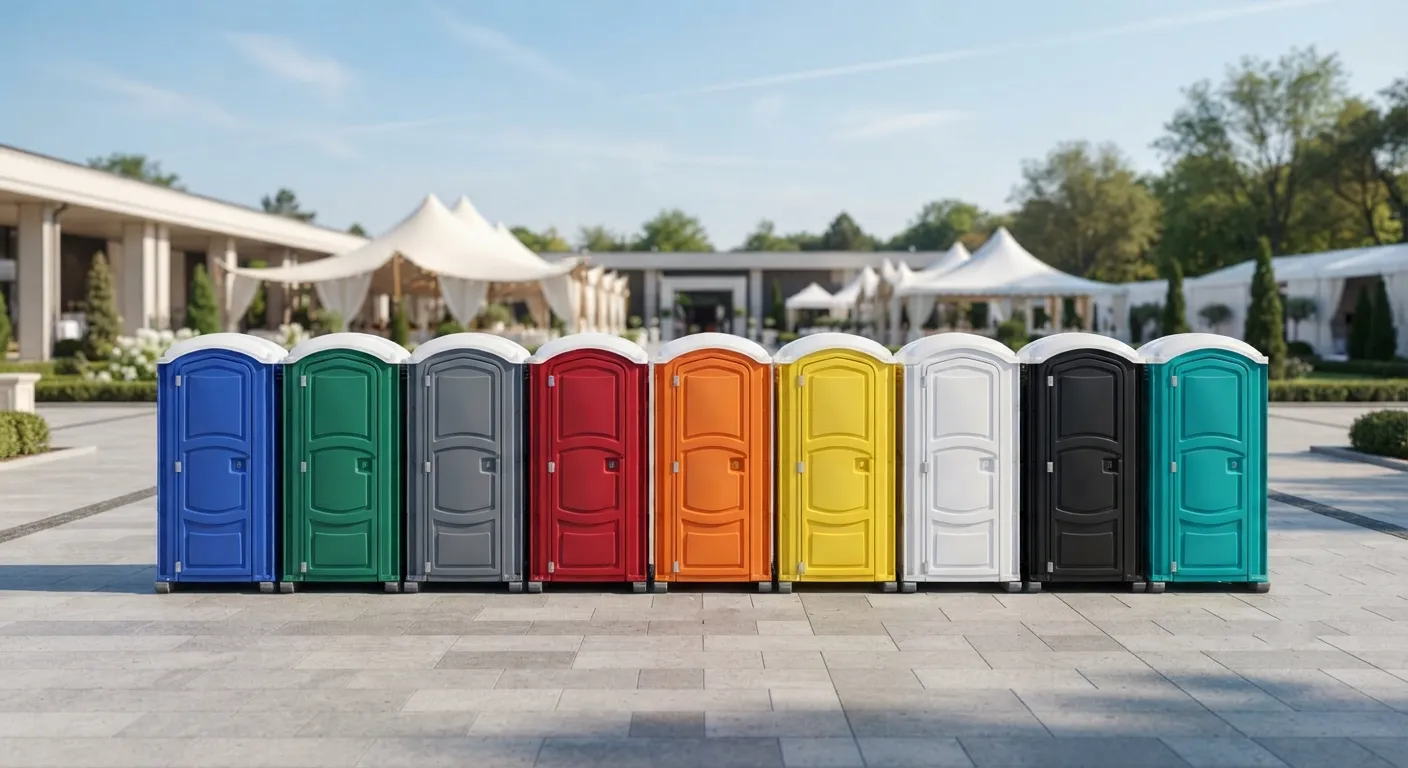
What should I do with items that can't go in the dumpster?
Set them aside and call ahead. We can tell you what needs a separate pickup and what your local transfer station handles differently. Appliances with refrigerant, batteries, and tires usually have a designated recycling path that isn't the dumpster at all. Paint is one of the most common rejected items; if it's dried solid, it's often fine, but liquid paint needs to go to a hazardous waste collection point. For a larger cleanout involving mixed hazardous and non-hazardous debris, it helps to plan the construction dumpster rental size around what's actually going in it rather than guessing. Some Newport News projects near Bethel Manor, about 9.2 miles east, or jobs stretching toward Hampton, roughly 16.4 miles east, deal with a wider mix of demolition debris where separating hazardous material out front saves a second trip. If you're renovating a property built decades ago, budget extra time for asbestos testing before demo debris hits any container. Review dumpster permit requirements if the container sits in a right of way, since placement rules vary and should be confirmed with the city directly.
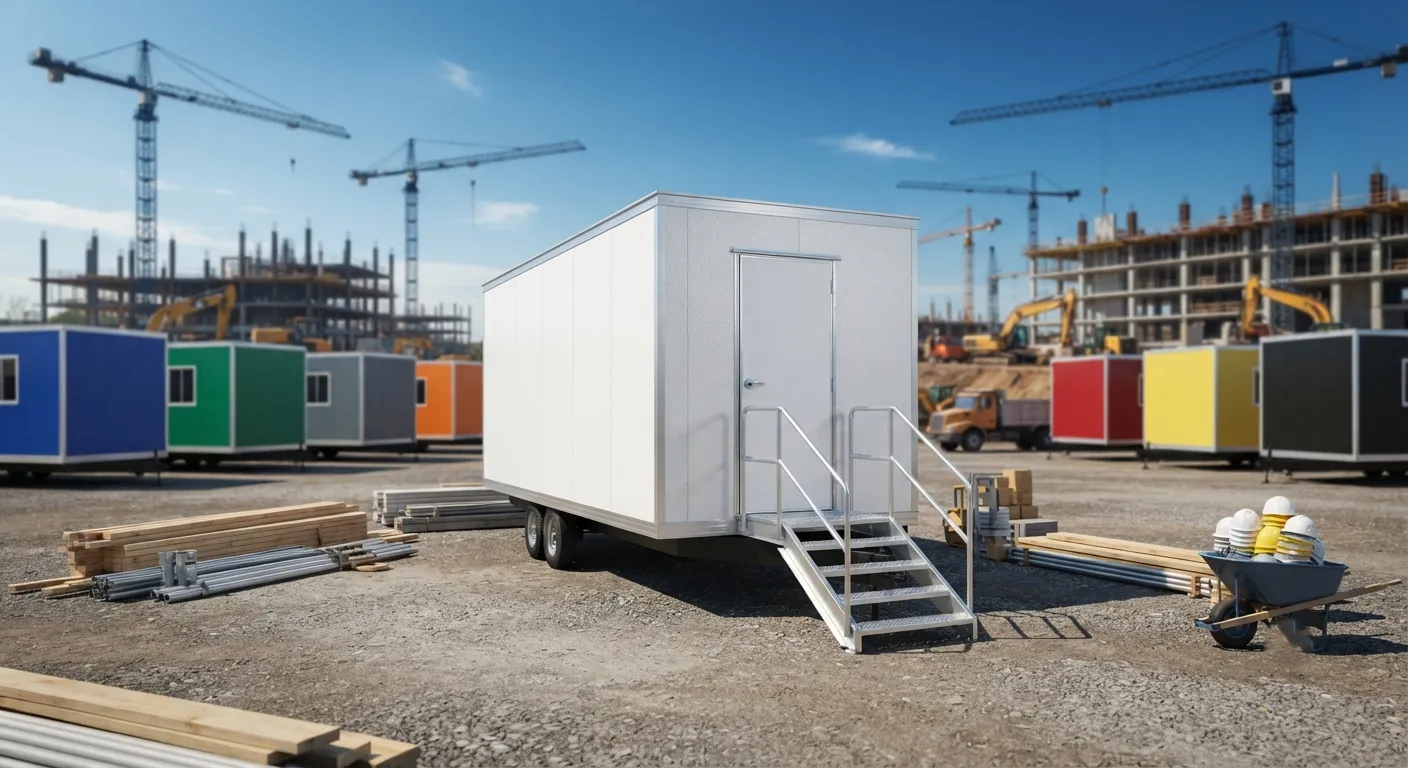
Are there local rules about what goes in a Newport News dumpster?
Yes, and they layer on top of general hazardous material bans. Newport News permit and placement requirements aren't fully standardized across every property type, so if your dumpster needs to sit on a street or public easement, confirm placement with the city before delivery rather than assuming it's covered. We handle 10 yard dumpster rental, 20 yard dumpster rental, 30 yard dumpster rental, and 40 yard dumpster rental sizes, and each needs about 60 feet of straight clearance behind the delivery truck to place safely. That clearance matters as much as the banned items list when you're planning a tight urban lot in Newport News versus a rural property near Smithfield, about 18.9 miles southwest. Check dumpster sizes and dimensions before you commit to a size, and review dumpster rental cost so the price matches the job. For septic-related debris or a grease trap cleanout paired with your dumpster order, that material never belongs in a roll-off at all; it needs a vacuum truck, which is why grease trap pumping and septic pumping service are handled separately from solid waste hauling entirely.
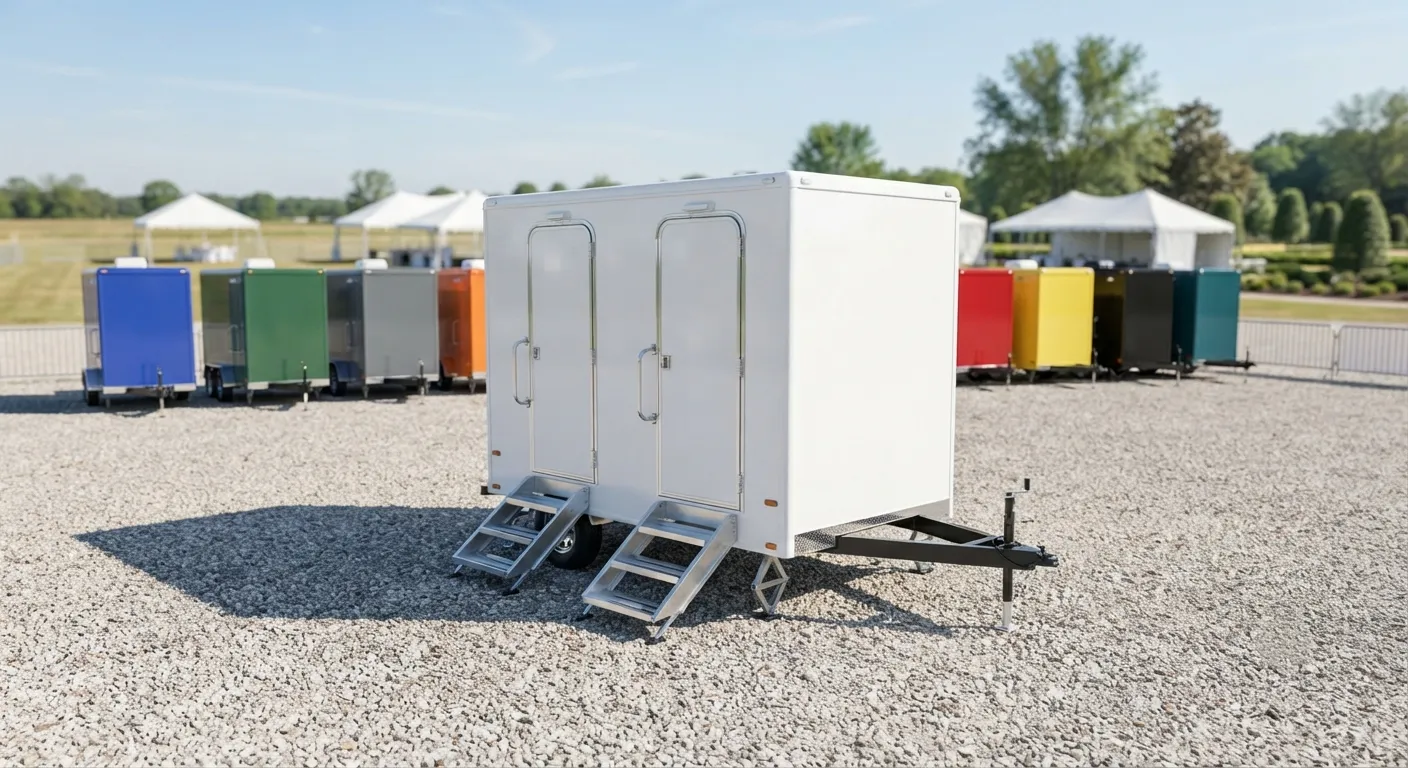
Frequently Asked Questions
Can I put a mattress in a dumpster?
Usually yes, but some Newport News haulers charge an extra fee since mattresses take up bulk space without adding much weight. Ask when you book. If you're filling a 10 yard dumpster rental for a small cleanout, a mattress or two is rarely a problem.
What happens if I put a banned item in my dumpster?
The load can get flagged at the transfer station, which sometimes means a return trip and an added charge. We'd rather catch it before pickup, so call us if you're unsure about an item before it goes in.
Can wet paint go in a dumpster?
No, liquid paint is treated as hazardous waste and needs to go to a designated drop-off point. Dried, solid paint is usually fine. Let cans dry out completely with the lid off before tossing them.
Do yard waste and dirt count as banned items?
Not banned, but they're often billed differently since dirt and concrete are dense and can hit weight limits fast in a smaller container. Check dumpster weight limits before loading heavy debris.
Can I put electronics in a roll-off dumpster?
Small electronics are often fine, but TVs and monitors sometimes need separate recycling depending on their components. Ask us before loading anything with a screen or circuit board in bulk.
Next step
Get a delivery date
Tell us the address, the dates and the headcount. We size the order and confirm the route.